First-Time Bus Lease? Key Questions to Ask
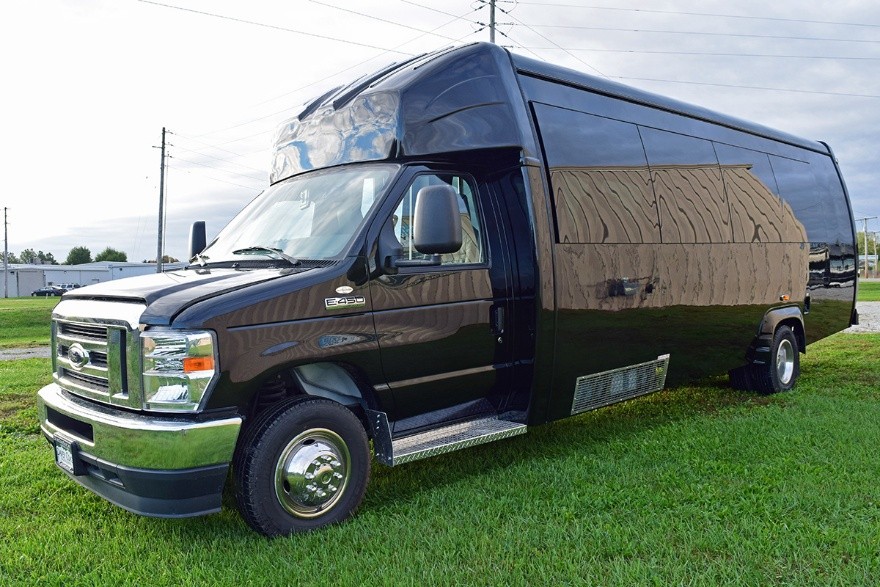
Is This Your First Time Leasing a Bus? Here’s What to Ask
Leasing your first bus is a big step. If you run a hotel, an airport shuttle program, a sports venue, a wedding site, or a hospital transport service, the vehicle you choose shapes the experience your guests and clients remember. Before you sign anything, it helps to know the right questions to ask.Why Organizations Choose Bus Leasing
Buying a bus outright ties up a large amount of capital. Leasing gives you access to reliable transportation without the heavy upfront cost. That flexibility appeals to businesses across Los Angeles and Denver that need dependable vehicles while protecting their budgets.A bus lease also makes it easier to plan around changing demand. A resort may need extra shuttles during peak season. A convention center might want additional capacity for a large trade show. Shuttle bus leasing lets you scale up or down as your needs shift, rather than committing to a vehicle you only use part of the year.
Leasing can also keep your fleet current. Instead of running the same vehicle for a decade, you can update to newer models with better features and comfort. For organizations that value a polished image, that matters. Since 1992, Davey Coach Sales has helped businesses find the right vehicles through purchase, rental, and lease options built around real operational needs.
Understanding Your Transportation Requirements Before Leasing
The best lease starts with a clear picture of how you plan to use the vehicle. Ask yourself a few practical questions before you talk to any dealer.How many passengers will you carry on a typical trip? A boutique hotel moving small groups to and from an airport has different needs than a stadium shuttling thousands on game day. Think about your peak loads, not just your averages.
Consider your routes and distances too. Short loops between a resort and a nearby terminal call for a different setup than long transfers across a metro area. Also, factor in accessibility. Hospitals, retirement communities, and religious groups often need wheelchair lifts and easy boarding.
Finally, think about frequency. A wedding venue may only run trips on weekends, while an airport hotel runs shuttles all day. Mapping out your real usage helps you choose the right size, features, and lease term. When you know your requirements, it becomes much easier to lease a bus that actually serves your operation.
Evaluating the Type of Bus That Fits Your Operation
Not every bus suits every job. Matching the vehicle to your purpose keeps passengers comfortable and your costs in check.Here are common options to consider:
- Shuttle buses work well for hotels, airports, and resorts that move guests over shorter distances.
- Mid-sized coaches offer more comfort for longer transfers, corporate groups, and event transportation.
- Transit-style buses handle high-volume routes with frequent stops, which are well-suited to large venues and convention centers.
- Accessible models with lifts and securement areas serve hospitals, nursing homes, and community groups.
Maintenance, Repairs, and Vehicle Support
A bus is only valuable when it runs. Before you commit to any lease, ask how maintenance and repairs are handled. Downtime costs you money and disappoints the people counting on your service.Find out which routine services are included and who performs them. Ask about parts availability, since a delay in getting the right component can sideline a vehicle for days. A dealer with strong support keeps you moving.
Davey Coach backs its vehicles with an adjacent 12,000 square-foot parts and service facility staffed by a friendly, knowledgeable team. From bus parts and repairs to DOT inspections, the goal is to keep your fleet road-ready.
Questions to Ask Before Signing a Bus Lease Agreement
A lease is a commitment, so read it closely and ask direct questions. Clarity now prevents surprises later.Bring these questions to your dealer:
- What is the length of the lease term, and what are my options at the end?
- Are maintenance, repairs, and inspections included in the agreement?
- What mileage limits apply, and what happens if I exceed them?
- Are there penalties for early termination?
- What insurance coverage is required?
- Does the vehicle come with a warranty, and what does it cover?
- Can I customize the bus with wraps or accessories?
Let’s Chat
Leasing your first bus does not have to feel overwhelming. When you know your passenger needs, choose the right vehicle, confirm strong service support, and ask clear questions about the agreement, you set your operation up for success. Businesses across Los Angeles and Denver rely on dependable transportation to serve their guests well, and the right lease helps you deliver.Davey Coach Sales has guided organizations through these decisions since 1992. Contact our team to explore shuttle bus leasing options and find the vehicle that fits your operation.
FAQ
What Should I Consider Before Signing a Bus Lease?Review the lease term, mileage limits, maintenance coverage, insurance requirements, and end-of-lease options. Confirm what the warranty covers and ask about customization options. Understanding each term helps you avoid unexpected costs.
Is Bus Leasing a Good Option for First-Time Fleet Operators?
Yes. Leasing lowers your upfront costs and gives you access to newer, well-maintained vehicles. It also offers flexibility, which helps first-time operators adjust as their transportation needs grow.
What Is Typically Included in a Bus Lease Agreement?
Most agreements outline the lease term, mileage allowance, payment schedule, and maintenance responsibilities. Many also address insurance, warranty coverage, and options at the end of the term. Always confirm these details before you lease a bus.