What Bus Repairs Will My Bus Need, Davey Coach Sales
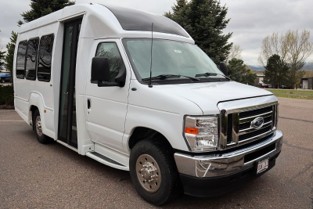
What Bus Repairs Will My Bus Need?
Owning a bus or coach-style vehicle means keeping it road-ready year after year. Buses and shuttles work hard. They carry sports teams to arenas, guests to weddings, travelers between airports and hotels, and patients to appointments. All that mileage adds up, and every vehicle eventually needs attention. Knowing what to expect helps you plan ahead, budget wisely, and avoid surprises. Need repairs for your bus? Contact our service team today!Why Timely Bus Repairs Matter
Small problems rarely stay small. A minor squeak in the brakes or a warning light on the dash can turn into a costly breakdown if you wait too long. Timely bus repairs protect your investment, your schedule, and the safety of everyone on board.For business owners, downtime means lost revenue. A shuttle out of service on a busy weekend can leave a hotel scrambling or a convention group stranded. Regular maintenance and quick fixes keep your vehicles earning their keep. Staying current with DOT inspections also keeps you compliant and confident that your buses meet federal safety standards.
At our 12,000-square-foot parts and service facility, we help operators across Los Angeles, CA, and Denver, CO, stay ahead of repairs before they become emergencies.
Understanding the Most Common Bus Repair Needs
Every bus is different, but most repairs fall into a few predictable categories. Wear items like brakes, tires, belts, and filters need routine replacement. Larger systems like the engine, transmission, and suspension require attention as mileage climbs. Body and interior repairs are part of everyday use, and comfort systems like heating and cooling need seasonal care.The good news is that most of these needs are easy to anticipate. When you understand the common patterns of bus and coach repairs, you can schedule service on your terms rather than reacting to a roadside failure. Our friendly, knowledgeable staff can help you build a maintenance plan that fits how you use your fleet.
Engine Repairs and Performance-Related Issues
The engine is the heart of your vehicle, and bus engine repairs are among the most important on any maintenance list. Over time, engines show their age through reduced power, rough idling, poor fuel economy, or unusual noises. Ignoring these signs can lead to major damage.Common engine work includes replacing filters, spark plugs, belts, and hoses, along with addressing cooling system leaks and sensor faults. Regular oil changes and diagnostic checks catch small issues early. If your bus struggles to start, stalls, or triggers a check engine light, it is time for a closer look.
We also service electric shuttle buses for operators moving toward cleaner fleets. Please note that we do not offer electric school buses, but our team is glad to support electric shuttles with the same care we bring to every vehicle.
Brake and Suspension System Repairs
Few systems matter more for safety than brakes and suspension. Your brakes take on serious wear, especially in stop-and-go city routes around Los Angeles and Denver. Worn pads, thin rotors, and low brake fluid all reduce stopping power. Squealing, grinding, or a soft pedal are clear signals that service is due.The suspension keeps your ride smooth and stable, which passengers notice every time they board. Worn shocks, struts, or air suspension components lead to bouncing, uneven tire wear, and a rough ride. Regular checks of these systems protect both comfort and control. Quality bus repairs in these areas keep your vehicle safe on every trip, from a short hotel loop to a long resort transfer.
Bus Body Repairs and Exterior Damage
Daily use takes a toll on the outside of your vehicle. Bus body repairs cover everything from minor dents and scratches to larger collision damage, rust, and worn panels. A clean, well-kept exterior reflects your brand, especially when your bus carries guests to a wedding venue or shuttles fans to a stadium.HVAC, Accessibility, and Passenger Comfort Repairs
Passenger comfort keeps riders coming back. Heating and air conditioning systems work hard through hot Los Angeles summers and cold Denver winters, and they need regular service to perform. Weak airflow, strange smells, or uneven temperatures indicate a need for HVAC repairs.Accessibility features like wheelchair lifts, ramps, and securement systems must stay in reliable working order, especially for hospitals, retirement communities, and religious groups serving riders of all abilities. Interior repairs also cover seating, flooring, lighting, and doors. Keeping the right bus parts on hand helps our team make these fixes quickly so your vehicle stays in service.
Choosing a Reliable Bus Repair Provider
The right partner makes all the difference. Look for a provider with experience across many makes and models, a well-stocked parts inventory, and a team that communicates clearly about what your vehicle needs.Davey Coach Sales has served bus owners since 1992, and we have grown into one of the leading dealers of new and used mid-sized buses and shuttles in North America. Our 12,000-square-foot facility handles bus service of every kind, backed by friendly, knowledgeable staff who treat your fleet like their own. With locations serving Los Angeles, CA, and Denver, CO, we deliver quality bus repairs that keep your business moving.
Schedule Your Bus Repairs With Us
Bus repairs are part of owning a hardworking fleet, but they do not have to disrupt your operation. When you understand common needs like engine work, brake and suspension service, body repairs, and comfort system care, you can plan ahead and keep your vehicles ready. From routine maintenance to complex bus and coach repairs, our team is here to help. Contact Davey Coach Sales today to keep your fleet safe, comfortable, and dependable for the miles ahead.Frequently Asked Questions
What Are the Most Common Bus Repairs?The most common bus repairs include brake service, tire replacement, oil changes, filter and belt swaps, suspension work, HVAC repairs, and bus body repairs. Routine maintenance addresses most of these needs before they grow into bigger problems.
How Can I Tell If My Bus Needs Engine Repairs?
Watch for warning signs like reduced power, rough idling, poor fuel economy, unusual noises, hard starting, or a check engine light. If you notice any of these, schedule a diagnostic check right away. Early attention often prevents costly bus engine repairs down the road.
How Often Should Buses Be Inspected?
Buses should follow the maintenance schedule in the owner's manual, with routine checks every few thousand miles based on use. Annual DOT inspections are also required to stay compliant and safe. High-mileage vehicles benefit from more frequent inspections to catch wear early.